
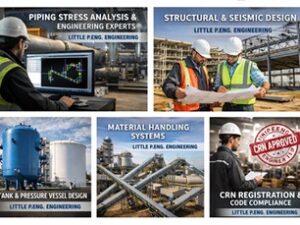
Plant 3D modeling is a modern engineering approach that allows professionals to create highly detailed digital representations of industrial facilities before physical construction begins. It combines advanced software tools with engineering expertise to design piping systems, structural frameworks, and equipment layouts in a virtual environment. This process enables engineers to visualize complex systems clearly and identify potential issues early in the design phase.
In industries such as oil and gas, manufacturing, and power generation, accuracy and safety are critical. That is why companies increasingly rely on Plant 3D modeling to ensure their systems meet strict operational and regulatory requirements. By simulating real-world conditions digitally, engineers can optimize performance, reduce errors, and improve overall project efficiency while minimizing costly rework during construction.
Importance of 3D Modeling in Industrial Engineering
The role of Plant 3D modeling in industrial engineering has grown significantly as projects become more complex and demand higher precision. Traditional 2D drawings often lack the depth required to fully understand intricate systems, leading to miscommunication and design conflicts. With 3D modeling, every component is visualized in a realistic environment, making collaboration between teams much more effective.
Companies like Little P.Eng. Engineering leverage advanced modeling techniques to deliver reliable and compliant designs. Their expertise in piping design, stress analysis, and simulation ensures that industrial systems operate safely and efficiently. By integrating engineering knowledge with digital tools, they help businesses avoid costly mistakes and streamline project execution from concept to completion.
Core Components of a Plant 3D Model
A complete Plant 3D modeling system includes several critical components that work together to form a cohesive design. These elements include piping networks, structural supports, equipment placement, and instrumentation systems. Each component is modeled with precision to reflect real-world conditions and operational requirements.
Engineers also incorporate data such as material specifications, pressure ratings, and thermal conditions into the model. This level of detail ensures that the design is not only visually accurate but also functionally reliable. By using comprehensive modeling techniques, companies like Little P.Eng. Engineering can deliver solutions that meet industry standards while optimizing performance and safety.
Benefits of Implementing Plant 3D Modeling
One of the most significant advantages of Plant 3D modeling is its ability to improve project efficiency and reduce costs. By identifying design conflicts early, engineers can make necessary adjustments before construction begins, saving both time and resources. This proactive approach minimizes delays and ensures smoother project execution.
Another key benefit is enhanced collaboration among stakeholders. Engineers, designers, and project managers can all work within the same digital environment, improving communication and decision making. Additionally, 3D models provide a clear visual reference that helps clients understand the project scope and design, leading to better alignment and fewer misunderstandings.
Practical Tips for Effective 3D Modeling Implementation
To achieve the best results with Plant 3D modeling, it is essential to follow proven practices that enhance accuracy and efficiency. Engineers should focus on maintaining consistency in design standards and ensuring that all data inputs are accurate and up to date. Proper training and familiarity with modeling software also play a crucial role in achieving high quality results.
- Always validate design data before integrating it into the model
- Use standardized templates to maintain consistency across projects
- Conduct regular reviews to identify and resolve design conflicts early
Another important recommendation is to collaborate closely with all stakeholders throughout the project lifecycle. By involving different teams early in the design process, potential issues can be addressed before they escalate. This collaborative approach not only improves design quality but also ensures that the final system meets operational requirements effectively.
Legal and Regional Considerations in Industrial Design
When working with Plant 3D modeling, engineers must adhere to various legal and regulatory requirements that vary by region and industry. These regulations often include safety standards, environmental guidelines, and compliance with international engineering codes. Failing to meet these requirements can result in significant legal and financial consequences.
In regions like the Middle East and South Asia, where industrial growth is rapid, compliance with local standards is especially important. Engineering consultancies such as Little P.Eng. Engineering ensure that their designs meet both international and regional regulations. This commitment to compliance not only protects businesses but also enhances the reliability and sustainability of industrial systems.
Role of Simulation and Analysis in 3D Modeling
Simulation and analysis are integral parts of the Plant 3D modeling process, allowing engineers to test system performance under various conditions. These tools help identify potential issues such as stress points, thermal expansion, and fluid dynamics before construction begins. By addressing these challenges early, engineers can create more robust and reliable designs.
Advanced simulation techniques also enable optimization of system performance, ensuring that resources are used efficiently. For example, piping systems can be analyzed for pressure drops and flow efficiency, leading to improved operational outcomes. This level of analysis is essential for industries where even minor inefficiencies can result in significant losses.
How Modern Tools Enhance Engineering Accuracy
The evolution of digital tools has significantly improved the accuracy and efficiency of Plant 3D modeling. Modern software platforms offer features such as real time collaboration, automated error detection, and integration with other engineering systems. These capabilities allow engineers to work more efficiently while maintaining high levels of precision.
Additionally, cloud based technologies enable teams to access and update models from anywhere, facilitating seamless collaboration across different locations. This is particularly beneficial for large scale industrial projects that involve multiple stakeholders. By leveraging these tools, engineering firms can deliver high quality designs that meet the demands of modern industries.
Choosing the Right Engineering Partner
Selecting the right partner for Plant 3D modeling is crucial for the success of any industrial project. A reliable consultancy should have extensive experience in industrial systems, along with expertise in design, analysis, and simulation. Their ability to understand project requirements and deliver customized solutions is essential for achieving optimal results.
Working with a trusted firm ensures that your project is handled with professionalism and technical expertise. To explore professional solutions, visit Plant 3D modeling and discover how industry experts can help optimize your engineering systems. Choosing the right partner not only enhances project outcomes but also ensures long term operational success.
Future Trends in Plant 3D Modeling Technology
The future of Plant 3D modeling is shaped by advancements in technology such as artificial intelligence, automation, and digital twins. These innovations are transforming the way industrial systems are designed and managed, offering new levels of efficiency and accuracy. As technology continues to evolve, the capabilities of 3D modeling will expand even further.
Digital twin technology, for example, allows engineers to create real time replicas of physical systems, enabling continuous monitoring and optimization. This approach provides valuable insights into system performance and helps identify potential issues before they occur. As a result, industries can achieve higher levels of reliability and efficiency in their operations.
Conclusion
In today’s fast paced industrial environment, adopting advanced design techniques like Plant 3D modeling is no longer optional but essential. It provides a powerful way to visualize, analyze, and optimize complex systems, ensuring safety, efficiency, and compliance. By embracing this technology, businesses can stay competitive and deliver high quality projects.
If you are looking to enhance your industrial design capabilities, partnering with experts can make a significant difference. Little P.Eng. Engineering offers specialized services that help companies design and optimize their systems with precision and confidence. Take the next step toward smarter engineering solutions and ensure your projects are built on a foundation of innovation and reliability.